Pakistan’s SME Roadmap 2025: How It Compares with India and Bangladesh
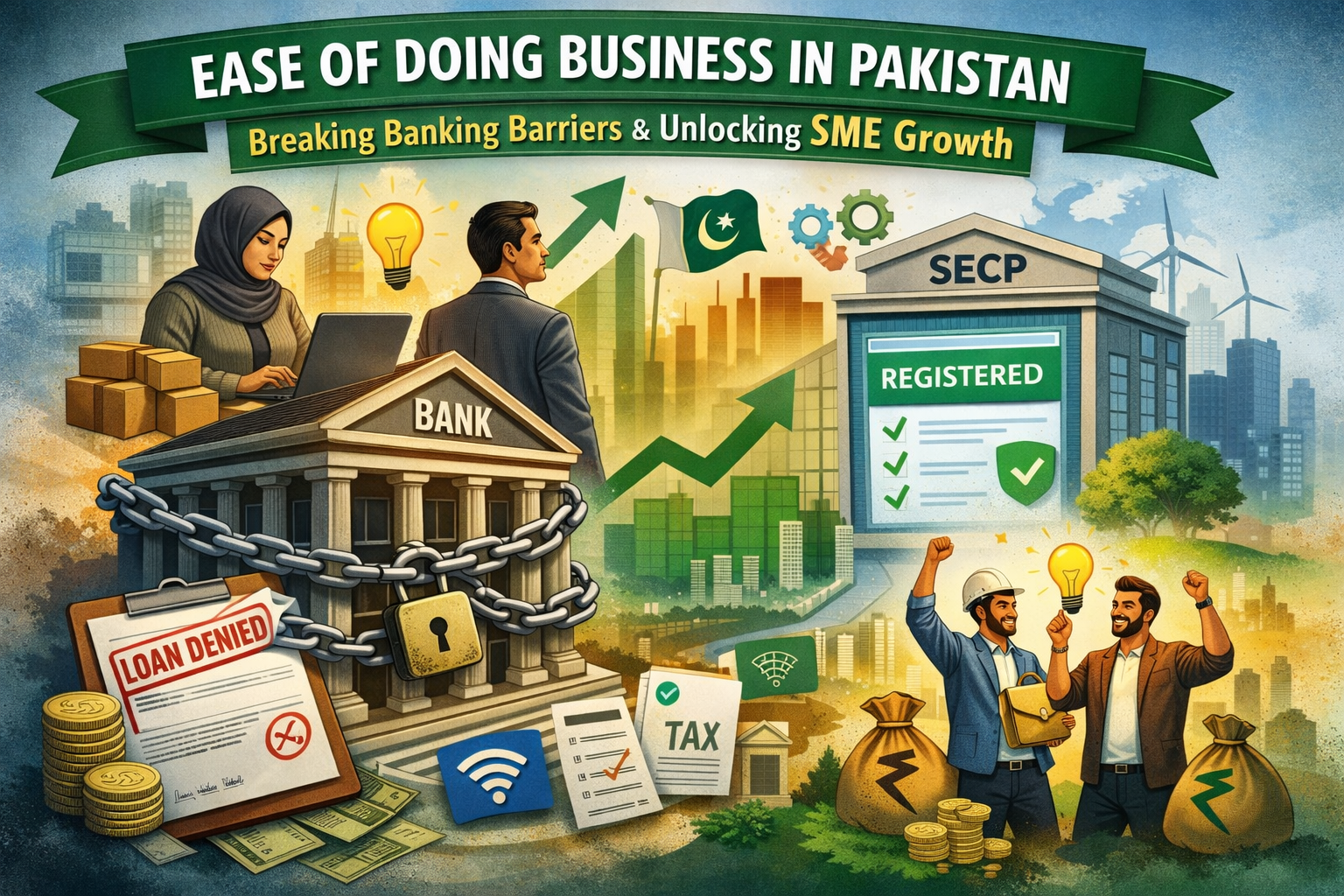
Pakistan’s National SME & Worker Formalisation Roadmap 2025 marks a shift toward compliance-driven competitiveness. But how does it compare with India’s robust MSME ecosystem and Bangladesh’s innovation-focused SME Policy 2025? This analysis highlights strengths, gaps, and policy lessons for regional SME growth.
.jpeg&w=128&q=75)
Zahid Ali Shah
Published on February 11, 2026
National SME & Worker Formalisation Roadmap 2025 – Comparative Analysis (Pakistan, India, Bangladesh)
Introduction
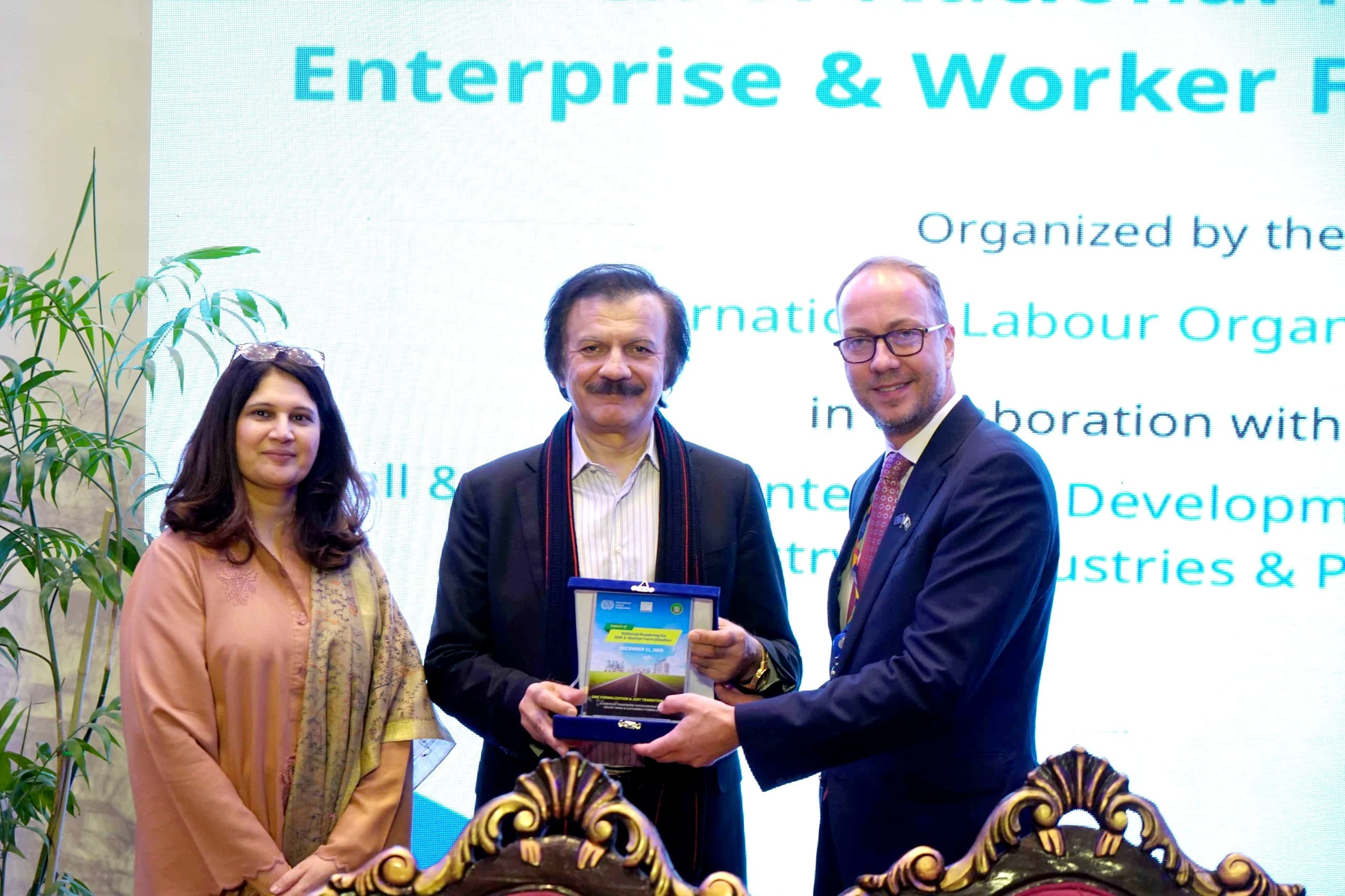
Pakistan’s National SME & Worker Formalisation Roadmap (2025), developed by SMEDA in collaboration with the International Labour Organization (ILO), focuses primarily on enterprise and worker formalisation as a pathway to competitiveness, compliance, and economic growth. Unlike traditional SME policies centered on finance and subsidies, this roadmap prioritizes regulatory simplification and labour protection.
Key Pillars of Pakistan’s 2025 Roadmap
1. Simplification & Formalisation – Streamlined enterprise registration processes, proposal for a Single National Firm Registry under the Easy Business Act, and reduction of regulatory red tape.
2. Worker Formalisation – Promotion of written contracts, fair wages, safety standards, and social protection compliance.
3. Digital & Compliance Tools – Introduction of digital portals for labour contracts, compliance tracking, and awareness campaigns.
4. Institutional Harmonisation – Alignment of federal and provincial SME and labour regulations with SMEDA as coordinating body.
5. Sectoral Pilots – Focused formalisation in garments and auto-parts sectors aligned with international trade standards (e.g., GSP+).
India’s MSME Framework (2025–26)
India operates a comprehensive MSME ecosystem supported by a dedicated Ministry of MSME.
• Udyam Digital Registration Platform enabling seamless national registration.
• Expanded Credit Guarantee Scheme (CGTMSE) for collateral-free loans.
• Trade Receivables Discounting System (TReDS) for liquidity management.
• Strong export promotion missions and digital trade platforms.
• Cluster development and skilling excellence centers.
Bangladesh SME Policy 2025 (Draft Framework)
Bangladesh’s SME Policy 2025 emphasizes inclusive, green, and digitally integrated SME growth.
• Target to increase SME contribution to GDP significantly by 2030.
• Green bonds, angel funds, crowdfunding tools.
• AI adoption and digital productivity enhancement.
• Subcontracting integration and export linkage promotion.
Comparative Analysis
1. Core Focus – Pakistan prioritizes formalisation and labour compliance. India emphasizes finance, export, and digital ecosystem development. Bangladesh blends finance, sustainability, and digital transformation.
2. Access to Finance – India leads with structured credit guarantees; Bangladesh proposes innovative financing; Pakistan’s roadmap lacks strong direct financial incentives.
3. Digital Integration – India demonstrates the most mature digital registration system, Pakistan is developing compliance tools, Bangladesh is expanding digital productivity tools.
4. Worker Protection – Pakistan uniquely integrates worker formalisation as a central pillar.
Strengths of Pakistan’s Roadmap
• Strong labour compliance integration.
• Regulatory simplification focus.
• Alignment with international trade and compliance standards.
Weaknesses of Pakistan’s Roadmap
• Limited direct credit guarantee or financing mechanisms.
• Weak structured export facilitation programs compared to India.
• Heavy reliance on inter-agency coordination for implementation.
Conclusion
Pakistan’s 2025 SME Roadmap represents a structural shift toward formalisation and compliance-led competitiveness. However, compared to India’s comprehensive MSME ecosystem and Bangladesh’s financing innovation model, Pakistan still needs stronger financial instruments, export facilitation mechanisms, and institutional strengthening to fully unblock SME growth potential.